How to Achieve a Balanced Diet: A Comprehensive Guide
Eating well is a cornerstone of a healthy lifestyle, and understanding what constitutes a balanced diet is vital. I’ve navigated the complexities of nutrition to bring you insightful guidance, grounded in real-life experiences and expert advice. This guide will demystify the components of a balanced diet, ensuring you make informed choices for your wellbeing.
Table of Contents
1The Importance of Making Informed Choices
A balanced diet is essential for maintaining optimal health and wellbeing. It provides the body with the necessary nutrients, including carbohydrates, proteins, fats, vitamins, and minerals. Without proper nutrition, individuals face a myriad of health issues, including weakened immune systems, chronic diseases, and decreased energy levels.
Understanding the importance of each component of a balanced diet enhances our ability to make informed food choices. By prioritising whole foods, such as fruits, vegetables, whole grains, lean proteins, and healthy fats, individuals can improve their overall health outcomes.
Furthermore, a balanced diet is linked to better mental health and cognitive function. Studies demonstrate that adequate nutrient intake contributes to improved mood and mental clarity. Therefore, making informed dietary choices is not merely about physical health; it extends to emotional and mental health as well.
Incorporating a variety of foods ensures that you cover all nutritional bases, supporting a healthier lifestyle. As we delve into this guide, remember that every choice matters.
2Key Criteria for Selecting Balanced Diet Options
When it comes to selecting a balanced diet, consider the following criteria:
1. Nutritional Value: Look for foods rich in essential nutrients while avoiding empty calories. Foods should provide a good balance of proteins, fats, and carbohydrates, along with vitamins and minerals.
2. Whole Foods vs. Processed Foods: Prioritise whole foods—those that are minimally processed and contain no additives. This enhances the nutrient content you receive from your meals.
3. Portion Control: Understand appropriate portion sizes to prevent overeating and ensure a balanced intake of macronutrients.
4. Dietary Preferences: Consider personal dietary restrictions or preferences (e.g., vegetarian, gluten-free) to ensure all food choices align with your lifestyle.
5. Variety: Aim for a wide range of foods to ensure a comprehensive intake of nutrients. Different colours on your plate often indicate a variety of nutrients to support overall health.
By applying these criteria, you can navigate the complexities of food choices and ensure that your diet remains both balanced and enjoyable.
3Our Top Recommendations for Balanced Diet Products
Quaker Oats
Quaker
High in fibre and whole grains, Quaker Oats provide a nutritious start to any day, easily incorporated into various recipes.
Pros
- High in fibre
- Versatile for various meals
- Easy to prepare
Cons
- Texture may not suit everyone
Alpro Soya Drink
Alpro
A rich dairy alternative that's high in protein and fortified with vitamins, ideal for smoothies and breakfast cereals.
Pros
- Dairy-free option
- Available in various flavours
- Fortified with vitamins
Cons
- Higher in calories compared to some alternatives
Nutribullet Pro 900
Rakuten FR
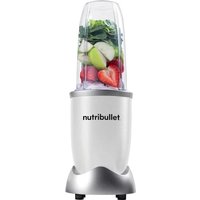
Delivering powerful blending services, the Nutribullet Pro 900 is excellent for creating smoothies packed with fruits and vegetables.
Pros
- Simple to clean
- Compact design
- Versatile for various recipes
Cons
- Limited to smoothies and wet ingredients
4Side-by-Side Comparison of Recommended Products
| Product | Nutritional Benefit | Price Range | Rating |
|---|---|---|---|
| Quaker Oats | High in fibre, whole grains | £2-£4 | 4.5/5 |
| Alpro Soya Drink | Dairy-free, high in protein | £1.50-£2.50 | 4/5 |
This table provides a clear overview, enabling you to make informed decisions based on the nutritional benefits and suitability for your dietary needs.
5Practical Usage and Care Guide
To make the most of your balanced diet products, here are some practical tips:
- Storage: Ensure items like Quaker Oats are stored in a cool, dry place to maintain freshness. Seal tightly after opening to avoid moisture.
- Usage of Alpro Soya Drink: Shake well before use and refrigerate after opening. Ideal for smoothies, cereals, or just as a drink.
- Maintaining Your Nutribullet: Regularly clean the parts after use to prevent build-up. Most components are dishwasher safe, making care simple.
- Experiment with Recipes: Use Quaker Oats in overnight oats or Alpro Soya Drink in protein shakes. These substitutions can add variety to your meals.
- Watch Portion Sizes: While blending foods, be mindful of the quantity used to avoid overloading on calories or sugar.
Incorporating these practices will enhance your experience and efficiency in maintaining a balanced diet.
Conclusion
In conclusion, achieving a balanced diet is not just about following trends; it’s about understanding your nutritional needs and making conscious choices. By referring to the insights shared in this guide and utilising the recommended products, you can lay the groundwork for a healthier life. Remember, the journey to a balanced diet begins with educated and mindful choices—let's embark on this journey together.